Environmental Scientists
GENERAL SKILLS
Experimental & Statistical Skills: Graduates and scientists learn how to collect data for soils, organisms, and abiotic factors. Specific scientific methods and skills are used to collect samples, and environmental impacts are studied for human activity, natural processess, etc.
Environmental Protection: One of the most important things for an environmental scientist to learn is critical thinking. Problem-solving for habitat destruction, pollution, environmental change, etc, is vital.
Technical and Communication Skills: Graduates learn how to use advanced equipment like Geographic Information Systems, Modeling Software, and Environmental Monitoring Equipment. In addition, graduates should be able to explain and communicate scientific findings clearly through the means of presentations, research papers, and reports. Interdisciplinary communication is the most important.
Resource Management: Graduates know how to maintain sustainability through certain practices. Understanding the ecosystem is vital, as they can reduce waste, energy loss, and resource depletion while minimizing the use of nonresuable resources.
Additional Information
Average Salary: $58K
Job Market: Approximately 90,300 environmental scientists in the US.
Average Job Market Growth Per Decade: 7.0%
Average Education Level: Bachelor’s Degree.
Environmental Consultant
Environmental consultants will be employed by a consulting firm, where they will give advice based on the project they are partaking in. They may give advice on how to reduce water, land, and/or air contamination. They may also be involved in emission control, waste management, and infrastructure projects.
-
A bachelor’s degree in environmental science, biology, chemistry, or civil engineering is required. However, many employers require a master’s degree for many higher positions.
Example day of an Environmental Consultant
8:00 am: Wake up and prepare for the day
8:30 am: Online audits and meetings with clients across the world for planning and decisions
10:00 am: SECR (Streamlined Energy and Carbon Reporting) meetings with large companies, and discuss how to report properly and effectively.
To give a quick explanation, SECR is a mandatory UK process for large companies where they have to give reports on their carbon footprint and energy usage. They must make this information public, and the transparency in the footprint helps push sustainability goals. Therefore, many big companies hire energy and environmental consultants.
10:30 am: Establishing another SECR for another company, and discuss how to proceed over the phone.
11:00 am: Prepare for the ISO (International Organization for Standardization) meeting, specifically sections 14065 (greenhouse gas verification standard) and 14017 (water verification standard). Specifically, make comments on how to revise the standards and develop the standards to make it more effective and efficient.
3:00 pm: meeting ends, and necessary paperwork is done now until 5.
Conservation Scientist
Conservation scientists maintain and protect natural resources by collecting data and developing plans to manage these resources. Oftentimes, they will also research in the lab to write reports and find issues and threats to sustainability.
-
The minimum qualification is a bachelor’s degree in a field related to environmental science. However, a master’s degree is required for many roles without experience.
Important lab devices & techniques
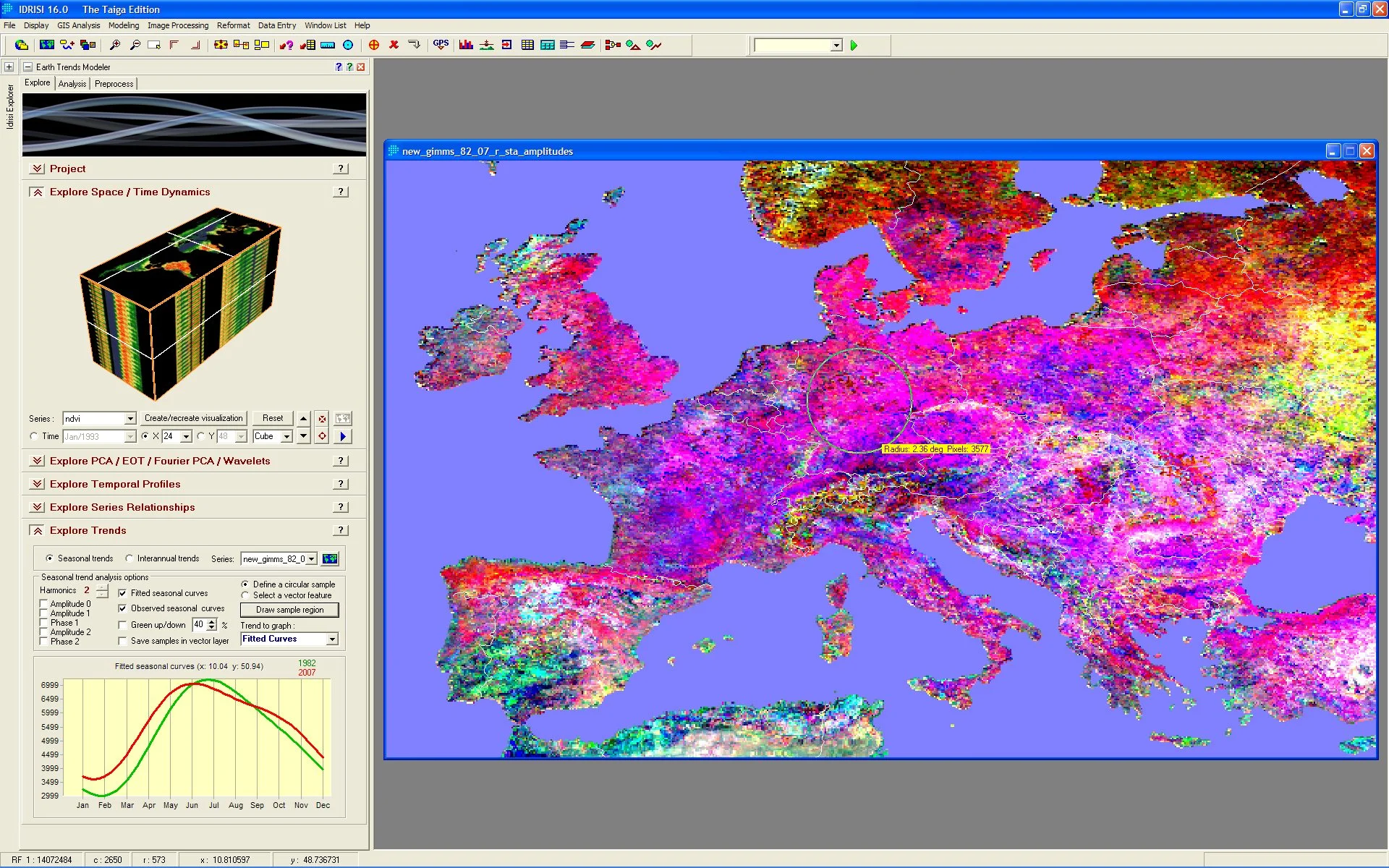
Mapping and Data Analysis of Geographical Information Systems (GIS)
Scientists will have to maintain geographical information systems in the wild for it to collect data.
Scientists will have to analyze data to find trends in animal populations, habits, etc
Wildlife Biologist
Wildlife biologists work to maintain specific species populations as well as pushing for environment stability and sustainability. In the US, they manage 191 million acres while working with a multitude of other professionals to maintain species populations, as well as pushing for stability and sustainability.
-
A bachelor’s degree in a related major such as biology, zoology, or botany is required.
Example Daily Schedule
9:00 AM: Arrive at the office and start checking emails. Plan a meeting for the day, and email co-workers about this
9:30 AM: Travel outside and collect data samples. This could include insects, patches of grass, water, etc. It could also be setting up a camera in certain locations to watch certain species.
12:00 PM: Lunch break
1:00 PM: attend lab meeting and discuss about the data of the samples collected.
3:00 PM: start writing results onto a research paper and work on analysis and conclusion.
4:50 PM: Clean-up and clock out.