Chemistry Careers
GENERAL SKILLS
General skills:
Experimentation and data collection
Use equipment and techniques to analyze the composition of materials and the behavior of materials.
Developing materials
Chemists can experiment with new materials made from unique combinations of atoms, and experimentation to determine the properties of the materials can help with application, oftentimes being more useful than any other previous substance/compound.
Safety Check
Ensure chemical safety and stability of materials in high-risk areas like factories, cars, machines, etc.
Theory Test
Chemists can test theories for the behavior of materials and chemical reactions, explaining certain phenomena and making predictions that could help with future research or the application of materials.
Teaching
Highly qualified chemists can teach future chemists, helping accelerate development in the chemical industry and field.
Additional Information
Average Salary: $47k
Job Market: Approximately 87,100 physicists in the US.
Average Job Market Growth Per Decade: 6%
Average Education Level: Bachelor’s Degree.
Analytical Chemist
Analytical Chemists look at the composition of drugs from the building blocks, and ensure that they have the proper effect.
-
A bachelor’s degree is a minimum, and many employers require being pragmatic and having logical thought.
-
7:00 AM: wake up, have a coffee, breakfast, etc.
8:00 AM: arrive at work, check emails, and plan meetings with co-workers.
8:30 AM: review results from yesterday’s work, and read others’ research papers.
9:00 AM: Begin lab experiments that take the longest, and ensure that they run.
10:30 AM: Attend meetings to discuss progress, challenges, experiments, and results.
12:30 PM: have lunch
1:00 PM: Attend experiments again and collect data. Reset experiments so that they run overnight.
2:00 PM: write research papers and create slide presentations on data to present to other faculty and professors. This is important because grants are provided based on these presentations.
4:30 PM: make sure all equipment is in order, and cleanup.
Analytical Chemistry Lab Equipment & Techniques
Spectroscopy
Scientists analyze how light passes through certain materials. This could be a prism, a solution, or a solid.
This data is then used to determine certain physical quantities like molarity, molality, density, etc.
Electrochromatography
A combination of electrophoresis and chromatography
Scientists use an electrical flow to separate large molecules, as well as utilize the polarity difference between substances to make the separation even faster.
High Performance Liquid Chromatography.
Scientists use a mobile phase (composition of mobile phase depends on the substance being analyzed) in order to separate the components of the substance being analyzed. Then, a detector at the end is used to identify and quantify the components based on their different interaction with the detector which could be a result of mass differences, light reflective differences, etc.

Physical Chemists
Physical Chemists deal with molecular properties of materials and elements, and use those properties to create medical drugs, materials, etc.
Lab Equipment and Techniques
Photoelectron spectroscopy (PES)
PES is a method used to calculate binding energy (negative potential energy that bonding atoms have), and this allows them to differentiate between different atoms and molecules easily.
How it works is that scientists set up samples and expose it to high-energy radiation which ejects electrons, and by measuring the kinetic energy these electrons, scientists can determine what atom/molecule it is.
Microscopy (electron microscopy as well)
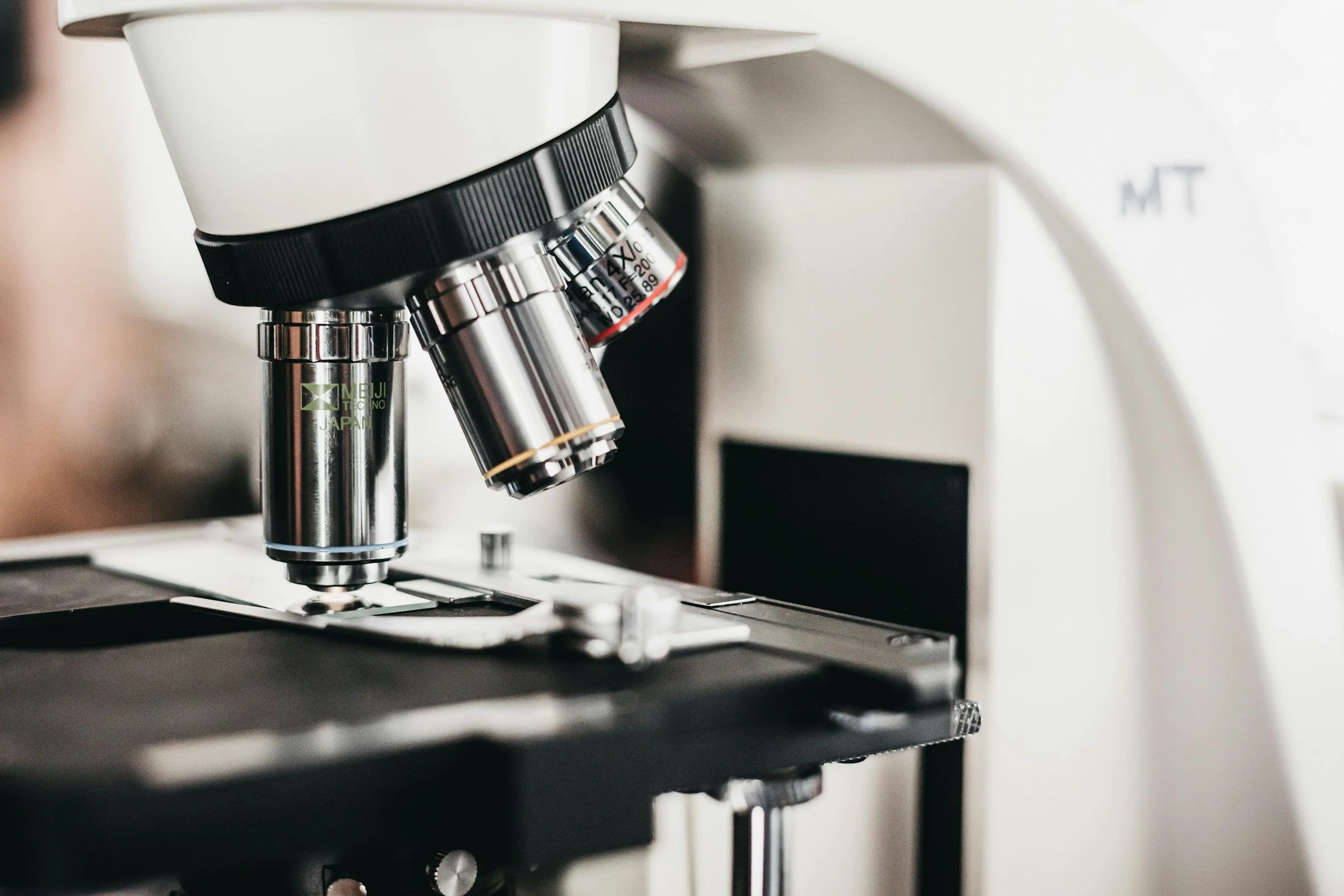
By utilizing eye-level microscopes, scientists can magnify up to thousands of times. However, by utilizing electron microscopy, scientists can even analyze singular molecules and their composition.
Galvanic Cell Potential & pH analysis
Scientists often use a pH probe that is calibrated to a reference electrode. This allows scientists to determine the pH (proton concentration of a substance), which is vital as pH can determine the acidity of a solution.
Biochemist
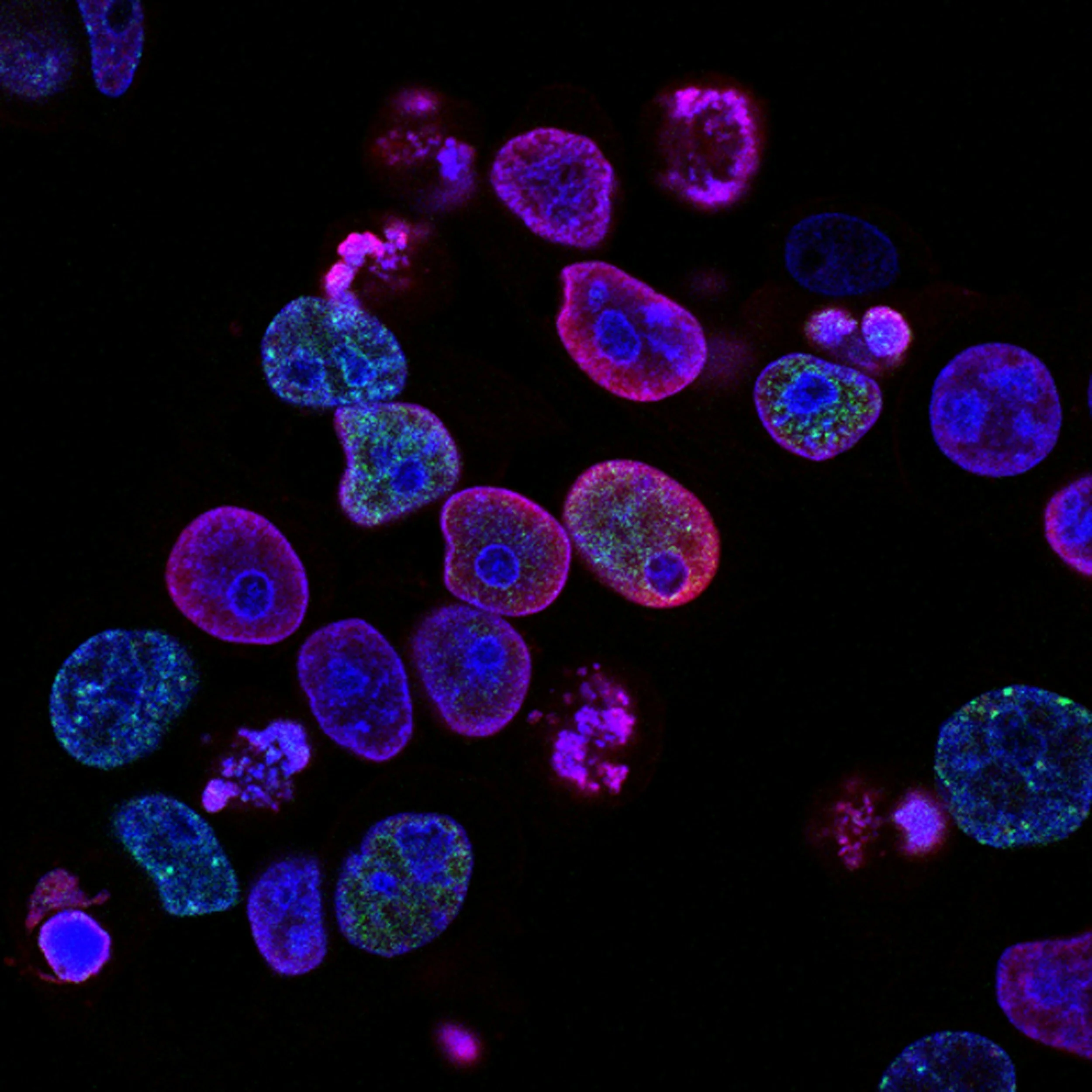
Biochemistry like physical chemistry is usually employed in the pharmaceutical industry as most research or innovations they make and create are related to health, cures, and treatment for certain diseases. Biochemists can also work with other majors, like coders or machines because they can create medical devices, which require a lot of different specialists.
Example Schedule
7:30 am
Wake up and read novels and have breakfast
8:50 am
Arrive at work
9:00 am
Deal with emails. This includes scheduling meetings with teammembers and admin, and communicating with other people to set project due dates, meet ups, and lab times.
9:30 am
Plan lab times like PCR, modeling and building protein structures, etc.
10:00 am
Teach undergraduate students, help with their projects, have experiments running, etc
11:00 am
Check up on experiments and make sure they are going well.
12:00 pm
More lab work here, and between breaks like lunch check to see if experiments are running. Efficiency is key.
3:00 pm
Have meetings and lectures during this time.
4-6:00 pm
Finish written work, ensure proper lab experimentation, etc. 4-6 is usually when the scientist goes home.