Arts and Music
Overview of Arts and Music Degrees
There exists a separate musical degree, but it is similar to other majors. There is a Bachelor of Music, a Master of Music, and a Doctor of Musical Arts (D.M.A)
A B.M in music is required for rudimentary teaching and production in the music industry. The degree is interestingly not worth that much, as skills and experience is much more important at this level.
A master’s degree allows specialization, and opens doors for professional performance careers and production and composition.
A doctoral degree is needed for university-level teaching, conducting for orchestras, and creating music.
There are 3 main types of art degrees: Bachelor of Fine Arts, Master of Fine Arts, and Ph.D.s for Art.
Like the musical counterpart, a B.F.A simply prepares people for freelance work, and success is derived from experience and skill.
A Masters can help specialize individuals and allow them to teach at the college level and advance in professional artistic careers.
A Ph.D. in art, rather than getting a job at a company, usually focuses more on academic study and research.

Additional Information
Average Salary for Musician Grad: $55,000
# of ppl: 135k Musician degree graduates in the US.
Average Salary for an Arts Graduate: $52,000
# of ppl: 110k Art degree graduates in the US.
Foley Artist
Foley artists create sound effects for TV shows, games, and movies. They may watch scenes and recreate sounds using props like shoes, metal, fabric, and more to mimic real-life noises. They can collaborate with sound designers and editors to create higher quality sounds that are more authentic.
-
A bachelor’s degree is the most common minimum at most organizations. However, if skilled enough, organizations may higher people without a degree.
Example day of a Foley Artist
10:00 AM: Review film scenes that need sound effects
11:00 AM: Experiment with props (ex: gravel for footsteps, celery for bone cracks)
12:30 PM: Record first round of sounds in studio
2:00 PM: Lunch
3:00 PM: Re-record and fine-tune timing for specific scenes
4:30 PM: Work with editor to sync audio precisely
6:00 PM: Save files and prep for next session


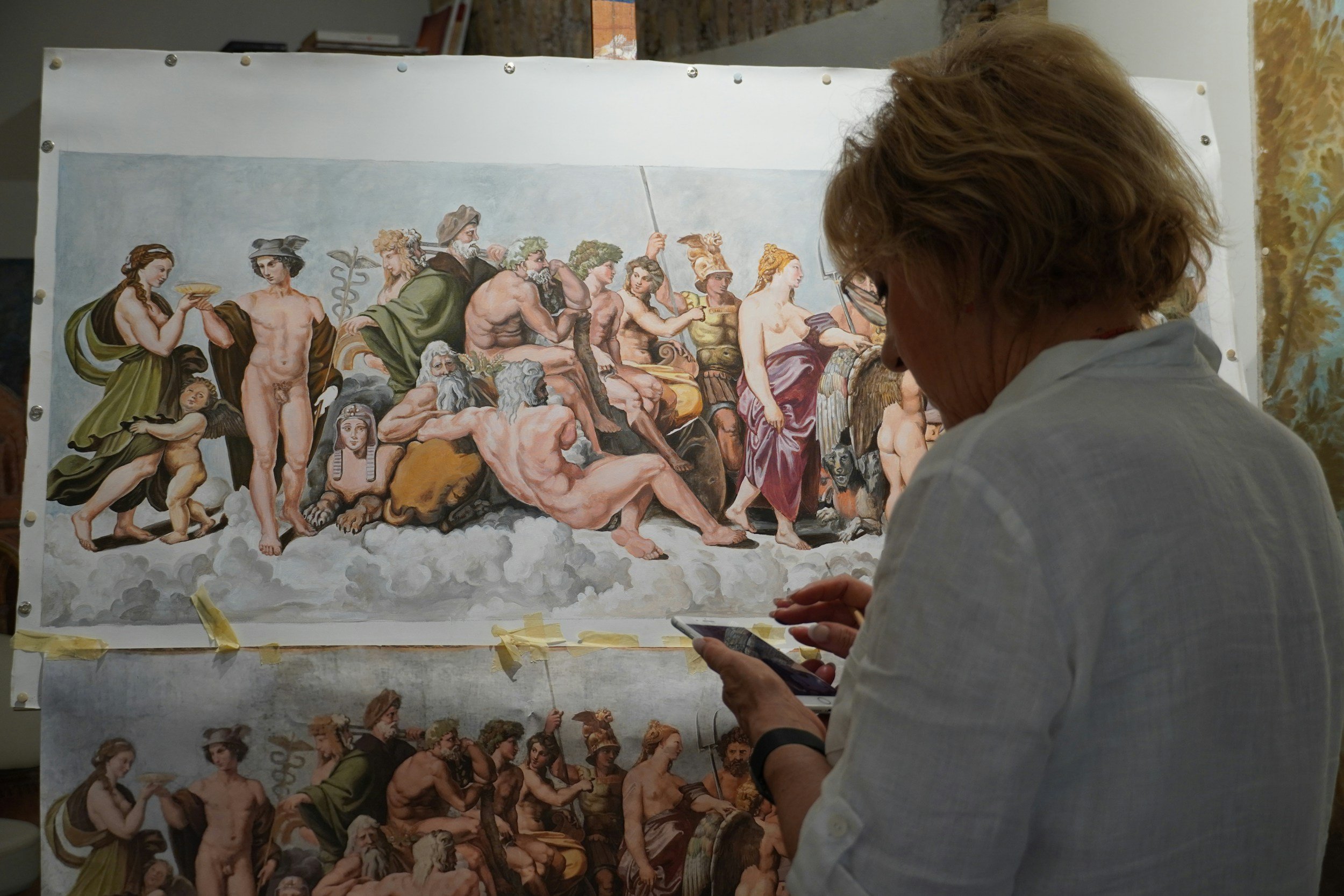
Arts Conservator
Art Conservators can restore and preserve old and damaged artwork. They may repair cracks and damage in artwork by analyzing materials, and using chemicals and tools to carefully restore pieces.
-
A master’s degree in Art is required, and it is preferred by many organizations that the Conservator also is trained in chemistry.
Example Daily Schedule
8:30 AM: Examine artwork under special lighting to find imperfections
9:00 AM: Test areas for safe cleaning methods, and develop them
11:00 AM: Begin restoration work
2:00 PM: Document progress and take photos
3:30 PM: Meet with museum staff and review the next project
4:30 PM: Clean up tools and wrap up